Key takeaways
- The main types of rolling papers are wood pulp, rice, hemp, and clear (cellulose), each one burns and feels a bit different.
- Wood pulp papers are the easiest to roll with; rice papers burn the slowest and stay out of the way of the flavour.
- Hemp papers sit right in the middle: easy to handle, good burn, and they pair naturally with the bud you’re rolling.
- Size matters, 1¼ and king slim are the two most common, and picking the right one just comes down to how much you’re rolling and how many people are sharing.
- There’s no universally “best” paper; the right one depends on your rolling skill level, how you want the joint to smoke, and personal taste.
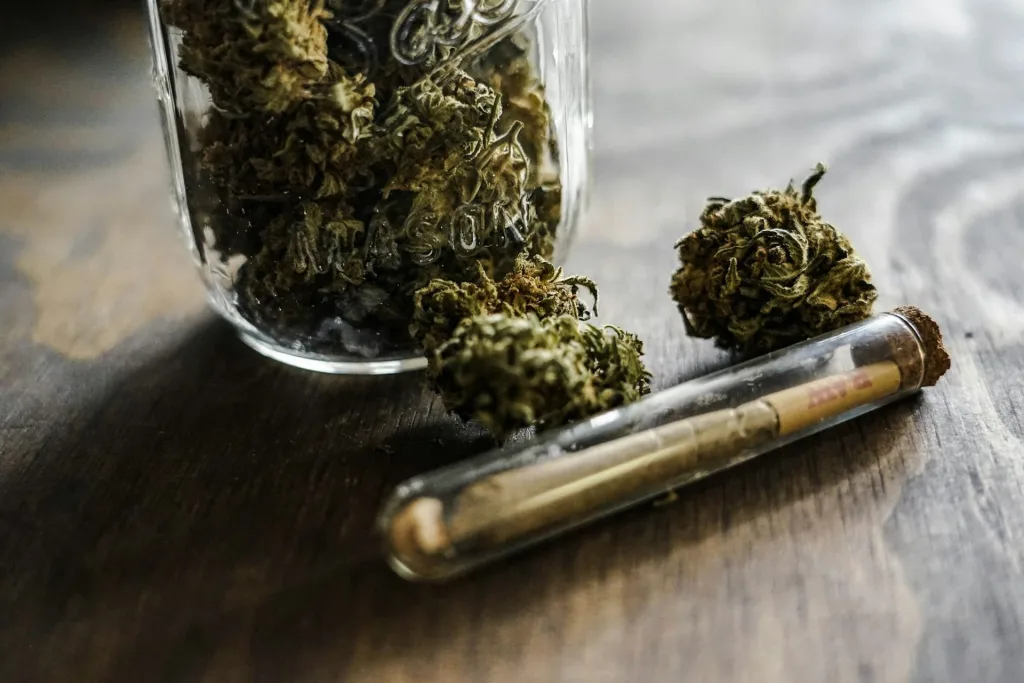
The types of rolling papers you can choose from basically come down to four main materials: wood pulp, rice, hemp, and clear cellulose. Each one burns differently and feels different in your hands, so the choice is actually worth a couple minutes of thought.
Why the paper you pick actually matters
A lot of people just grab whatever’s at the counter and call it a day. That works fine, but once you’ve rolled with a few different papers you start to notice the difference. A thick paper burns hotter and faster. A thin one can be tricky to handle but stays quieter in the background so all you’re tasting is the bud. If you’re putting good flower in the joint, it makes sense to think about what’s wrapped around it.
If you’re still getting comfortable rolling in the first place, get the basics down before you start worrying too much about paper choice.
The main types of rolling papers, broken down
Wood pulp papers
These are the classic, old-school option. Wood pulp papers are thicker and have a bit of texture, which makes them easier to grip and roll. If you’re new to rolling or just want something that cooperates, wood pulp is forgiving. They tend to burn a little faster and can add a slight papery taste, but for a lot of people that’s just what a joint tastes like and they’re totally fine with it. Wood pulp papers have been a go-to forever for a reason.
Rice papers
Rice papers are thin, almost delicate, and they burn super slow and clean. Because they’re so thin, they get out of the way and let the flavour of the bud come through. The catch is that they can be slippery and a bit harder to work with, especially if your hands are even slightly damp. They also don’t seal as easily. So if rolling is still new to you, rice papers can be a little frustrating. Once you’ve got your technique down though, a lot of people swear by them for the flavour and the slow, even burn.
Hemp papers
Hemp papers have gotten really popular and it’s easy to see why. They’re a middle ground between wood pulp and rice, thicker than rice so they’re easier to roll, but they burn cleaner than wood pulp. They’ve got a subtle earthy taste that plays nicely alongside cannabis rather than fighting it. If someone asks us what to start with, hemp is usually the answer because it doesn’t punish beginners but it also doesn’t hold back more experienced rollers.
Clear (cellulose) papers
These are the see-through ones, made from plant cellulose. They look wild and they’re fun for a social sesh when you want something a little different. They burn slow and have basically no flavour. The downside is the feel, they’re kind of plasticky in your hands, which some people don’t love, and they can take a bit of practice to roll cleanly. More of a fun novelty than an everyday paper for most people, but worth trying at least once.
Quick comparison: how the main types stack up
| Paper type | Thickness | Ease of rolling | Burn speed | Flavour impact |
|---|---|---|---|---|
| Wood pulp | Thick | Very easy | Faster | Noticeable papery taste |
| Rice | Very thin | Harder | Slowest | Minimal, lets bud shine |
| Hemp | Medium | Easy | Moderate | Subtle, earthy, pairs well |
| Cellulose (clear) | Thin | Takes practice | Slow | Neutral |
Sizes: what all those numbers actually mean
Alongside material, size is the other thing that trips people up. Here’s the short version. Single wide papers are compact and roll a slim joint, good for a solo smoke. 1¼ (one and a quarter) is probably the most common size you’ll find, it fits a good amount of bud, rolls well, and works for one or two people. 1½ is a bit bigger if you want something chunkier. King size gives you a longer paper, and king slim keeps that length but narrows it down so the joint doesn’t get too thick. King slim is popular for people who like rolling longer joints that still burn evenly.
Most people land on 1¼ or king slim as their go-to. The other sizes are worth trying, but those two cover the majority of situations.
Flavoured papers: fun or worth skipping?
Flavoured papers are around and some people love them. They’re usually wood pulp based with added flavouring, anything from strawberry to mango to more dessert-y stuff. For a chill social session where you’re passing something around and having a good time, they can be a fun touch. If you’ve got really good-smelling, flavourful bud and you want to taste it though, a flavoured paper is going to cover that up. Use them when the vibe calls for it, not as your everyday go-to.
Unbleached vs bleached: does it matter?
You’ll notice some papers are bright white and others are a natural off-white or brown. Bleached papers have been processed to get that clean white look. Unbleached papers skip that step and keep a more natural colour. Many people prefer unbleached just because it feels like less processing, and a lot of the hemp papers you’ll find come unbleached. In terms of how the joint actually smokes day to day, the difference is pretty minor. It’s more of a personal preference thing.
If rolling isn’t your only move and you want to see how joints stack up against other ways to enjoy your bud, we’ve got a full breakdown of every way to consume cannabis that’s worth a read.
Whatever paper you go with, an even grind makes the roll easier, and our guide on how to use a weed grinder covers the basics.
Frequently asked questions
What’s the best type of rolling paper for beginners?
Hemp or wood pulp papers are the easiest to start with because they have more grip and seal reliably. Hemp is a solid first choice since it’s forgiving to roll but also burns cleanly, so you’re not building bad habits.
Do rice papers really make a difference to the flavour?
Yes, they do. Because rice papers are so thin and burn slowly, they add very little taste of their own. If you’ve got bud with a strong, interesting smell, rice papers let that come through more clearly than a thicker paper would.
What size rolling paper should I get?
1¼ is a great default for most situations. If you like a longer joint or you’re rolling for a group, king slim is worth grabbing. Single wide is good for a quick solo smoke when you don’t want too much.
Are flavoured rolling papers worth trying?
They can be a fun pick for a chill social session when you’re passing something around and having a good time. That said, if you care about tasting your bud, a flavoured paper is going to get in the way of that. Use them for the fun of it, not as your everyday paper.
What’s the difference between bleached and unbleached papers?
Bleached papers are white from processing; unbleached are the natural off-white or tan colour. Day to day the smoking difference is small. Unbleached is a popular choice simply because it skips an extra processing step, and plenty of people prefer that.
Can the type of paper affect how fast a joint burns?
Definitely. Thicker papers like wood pulp tend to burn faster. Thin papers like rice and cellulose burn slower and more evenly. How tightly you pack and roll the joint plays a big role too, but paper thickness is a real factor.