Key takeaways
- Making hash at home is simpler than it sounds: dry-sifting and pressing grinder kief are both beginner-friendly methods that need minimal gear, while hand-rolling needs fresh, living plant material.
- The quality of your starting bud matters a lot; well-cured, resinous flower gives you the best results.
- The process is slow and tactile, which is kind of the whole point, it’s a vibe in itself, not a chore.
- Fresh-made hash smokes differently than most flower, so knowing how to use it makes the experience way better.
- You don’t need a ton of weed to get started; even a small amount of good trim or bud can produce something worth smoking.
Making hash at home is one of those things that sounds more complicated than it actually is. At its simplest, it’s just collecting the resin from your flower and pressing it together. The ritual part is real though, once you do it a couple of times, you’ll probably find yourself looking forward to it.
Why making hash at home is worth it
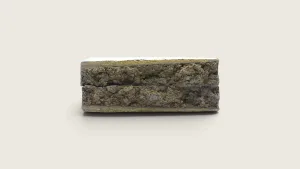
Hash has been made by hand for centuries, and the basic idea hasn’t changed much. You’re separating the sticky, crystal-coated bits (called trichomes) from the plant material and compressing them into a block or ball. That’s it. No lab equipment, no complicated chemistry. All it takes is some good bud and a little patience.
There’s something satisfying about the whole thing. It’s hands-on in a way that most cannabis experiences aren’t. You actually get to slow down, handle the plant, and make something from scratch. A lot of people who get into it say the process feels meditative in a really low-key way. You’re not rushing anywhere. You’re just doing the thing.
It’s also a great way to use trim or kief that’s built up in your grinder. Nothing goes to waste, and you end up with something new to enjoy.
What you actually need to get started
You don’t need a lot. For the two easiest methods at home, here’s a quick look at what you’re working with:
| Method | What you need | Best for |
|---|---|---|
| Dry sift | A fine-mesh screen, a clean surface, dried flower or trim | People who want a cleaner and more predictable approach |
| Hand-roll | Fresh, living plant material (not dried, cured bud), clean dry hands | People who want the most traditional, tactile experience |
That’s it for the basics. You can get fancier with pressing screens, pollen presses, or coin rolls later if you want. But to start, simpler is better.
One thing worth picking up if you don’t have it: a good grinder with a kief catcher. Over time, that bottom chamber fills up with a fine, potent powder that’s basically hash waiting to happen.
The dry-sift method: slow and steady
Dry sifting is probably the most popular home method because it’s clean and you can do it in stages. You lay your dried flower or trim over a fine screen and gently work it back and forth. The trichomes fall through the screen and collect on the surface below. What you’re left with is a golden-ish powder called kief or dry-sift hash.
A few things that help: keep everything cold. Cold makes the trichomes more brittle and they break off more easily. Some people put their flower in the freezer for a bit before sifting. Your workspace and screen can go in the fridge too. Work slowly and gently, you’re not trying to push plant material through the screen, just the crystals.
Once you’ve got your pile of powder, you can smoke it as-is, or press it. Pressing is simple: wrap it in parchment paper, roll it tight, and apply steady hand pressure for a few minutes. Some people use a warm pan on top to help it bind. What comes out is a soft, pliable little block of hash.
The hand-roll method: the OG ritual
This is the oldest way to do it and the most fun for a chill evening project, but it really needs fresh, living plant material. You rub the resinous flowers of a live, uncured plant slowly between your clean palms. The resin sticks to your hands and builds up over time into a dark, sticky layer. You periodically scrape that off and roll it into a ball. Dried, cured bud gives you almost nothing this way, so if you’re working with dried flower, dry sifting or pressing the kief from your grinder is the method that works.
It takes longer than dry sifting, and you end up with less per gram of starting material. But the hash you get is sticky, aromatic, and old-school in the best way. The smell that comes off your hands while you’re doing it is something else.
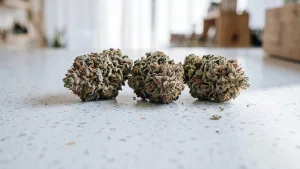
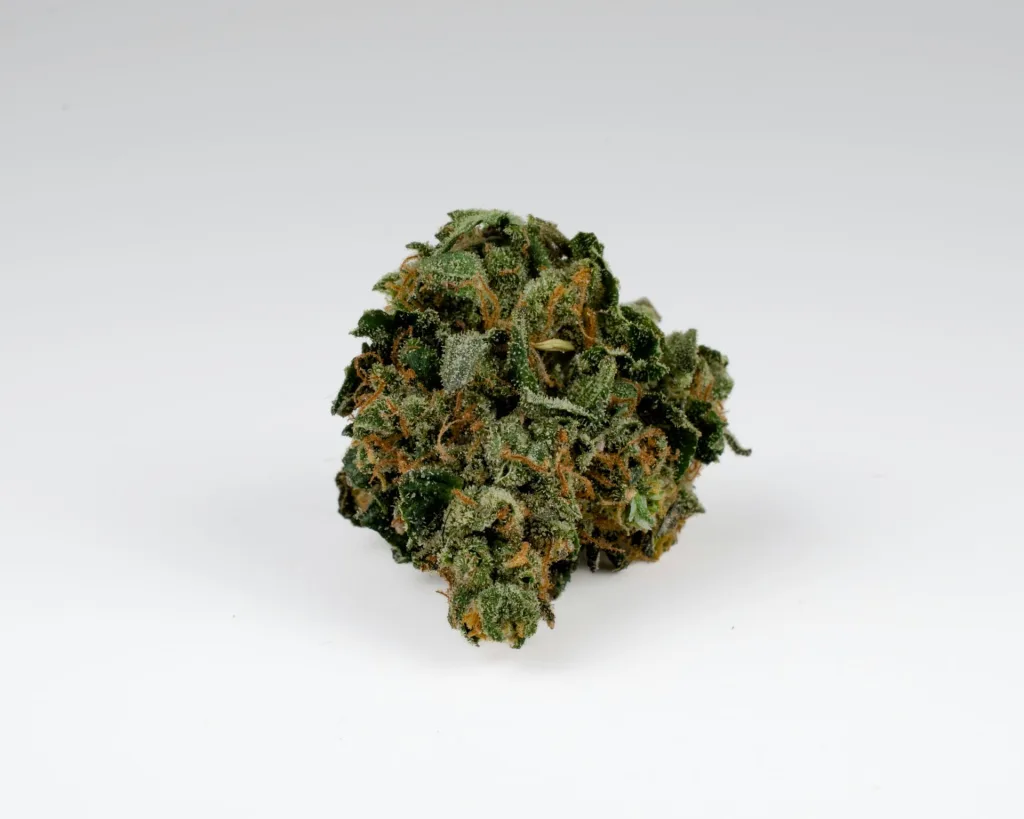
If you’re sifting dried flower or collecting kief, the starting bud matters a lot. You want something with a good visible coating of crystals and a strong smell. That’s where our Premium Flower (AAA) section comes in handy for dry sifting and kief, since you’re relying entirely on the resin content of what you start with. If you’ve got a solid batch already or just want to stretch your budget, our Value Flower (AA) section can work too.
Making the ritual actually feel like one
This is where the vibe comes in. The ritual of making hash at home is as much about the setting as the steps. Put on a playlist you like. Clear off a little space on the table. Make yourself a drink. It’s an evening activity, not a race.
The process takes time, and that’s the point. You’re doing something slow and tactile that keeps your hands busy while your brain gets to chill out. A lot of people find it’s a great wind-down after a long day, even before you get to smoke what you made.
Once you’ve got your hash ready, there’s a whole other conversation to have about how to use it well. Hot knives, a pipe, crumbled into a joint, or pressed onto a bowl, they all give you a different feel. Take a look at our breakdown of ways to enjoy your hash once it’s ready so you get the most out of what you made.
Tip: Store your finished hash in a small glass jar, away from light and heat. It stays fresh and smells better a lot longer that way and stays workable instead of drying out.
Frequently asked questions
Do I need a lot of weed to make hash at home?
Not really. You can start with a small amount of good bud or trim and get something worth smoking. The more resinous the starting material, the better your return, but you don’t need a huge quantity to try it out.
Is dry sift or hand-roll better for a beginner?
Dry sift is a little more predictable and keeps things clean. Hand-rolling is more tactile and traditional, but takes longer and requires fresh, living plant material. If you’re starting with dried flower, dry sift is the one to try on your first go.
Can I use trim and leftover bits, or does it have to be bud?
Trim works well for dry sifting since you’re just after the trichomes on the surface. Hand-rolling is different because it needs fresh, sticky plant material from a living plant, so dried trim or cured bud won’t give you much that way. Grinder kief is also a solid starting point for pressing your own hash.
How do I know when my hash is ready to smoke?
Pressed hash should hold together without crumbling and have a slightly soft, pliable feel when it’s at room temperature. If it’s still too powdery, give it another press. If it’s very dry and crumbly, it’s still smokeable, just crumble it into a bowl or joint.
Does homemade hash smell different from what you’d buy at a store?
It can, yeah. A lot of that comes down to the flower you started with. Fresh hand-rolled hash in particular tends to have a really vivid, raw smell. Dry-sift hash can be more subtle. Either way, the smell gives you a good read on what the smoke is going to be like.
What’s the easiest way to smoke the hash I just made?
Crumbling a little into a joint with some flower is probably the most beginner-friendly option. A pipe works great too. If you want to go deeper on the different ways to use it, the ways to enjoy hash at home guide covers all of them in a pretty easy way.