Key takeaways
- Conduction vaporizers heat your bud by direct contact, they’re simpler, cheaper, and heat up fast.
- Convection vaporizers push hot air through your bud, they’re slower to heat up but tend to give you better, more even flavour.
- Conduction suits quick, on-the-go sessions; convection suits longer, slower sessions where the taste really matters to you.
- Either way, good flower makes the biggest difference, the vaporizer just changes how you get there.
- If you’re not sure which direction to go, think about your session style first, then pick the hardware to match.
The short answer: a conduction vaporizer heats your weed by touching it directly to a hot surface, while a convection vaporizer blows hot air through it. Both get you there, they just feel a little different and suit different kinds of sessions.
How Each One Actually Works
Think about cooking. Conduction is like pressing food against a hot pan. The heat transfers by direct contact, right where the bud touches the chamber walls. It’s fast and straightforward, which is why a lot of portable vapes use this method. You pack the chamber, you hit a button, you’re good to go in under a minute for most models.
Convection works more like a convection oven. Hot air moves through the herb instead of the herb sitting against a hot surface. Your bud doesn’t touch anything that’s directly scorching it, the heat comes to it. That means the whole load heats more evenly, and you tend to get cleaner, more consistent draws from start to finish.
Neither one is wrong. They’re just different tools with a different feel to them.
The Real Difference in Your Session
With a conduction vape, you’ll notice it’s ready pretty quickly. The session itself is punchy. A lot of people like that about it, especially if you’re squeezing in a quick solo session before heading out, or you just want something simple with not much fuss. The downside is that your bud keeps getting heat even between your draws, so if you’re someone who takes their time, the flower can over-toast a little before you’re done with it.
Convection vapes take a bit longer to get up to temperature, usually a minute or two depending on the device. But once they’re going, they’re really going. The draws tend to be smoother and the flavour comes through more clearly, especially in the early pulls. If you’re the kind of person who likes to really taste what you’re smoking and settle into a longer session, convection usually rewards that vibe. You’re not racing against the clock the same way.
It’s also worth knowing that plenty of mid-range and higher-end vapes now use a mix of both, a bit of conduction on startup, then convection as you draw. You’ll see these marketed as “hybrid” vaporizers. They’re a solid middle ground if you can’t decide.
Convection vs Conduction Vaporizer: Side by Side
| Conduction | Convection | |
|---|---|---|
| How it heats | Direct contact with hot surface | Hot air passes through the bud |
| Heat-up time | Fast (often under 60 seconds) | Slower (usually 1-2 minutes) |
| Flavour | Good, especially early draws | More consistent throughout |
| Session pace | Quick, efficient | Relaxed, longer |
| Best for | On the go, quick solo sessions | Slow evenings, tasting the flower |
| Price range | Usually more affordable | Often pricier |
Which One Actually Fits Your Vibe?
If you’re mostly vaping on the move, want something you can grab and go, and don’t want to overthink it, conduction is probably your style. It’s reliable, it’s quick, and for most people it does the job really well. A lot of the popular portable devices you’ll see use conduction for exactly that reason.
If you’re more of a slow-session person, you put on some music, you settle into your couch, you want to actually taste your flower and enjoy the whole ritual of it, convection is worth the extra patience and the extra spend. The draws are smoother, the flavour hangs around longer, and there’s less chance of your bud getting toasty between puffs.
For a night in with a good playlist, convection wins. For a quick session between errands, conduction gets you there without any fuss. And honestly? If you’re newer to vaping flower and thinking about all your options, it helps to start with our guide on every way to consume cannabis first, it puts vaporizers in context with everything else out there.
You might also want to check out Desktop vs Portable Vaporizer: Which One Suits Your Session?, because once you figure out conduction vs convection, the next question is usually whether you want something you can move around with or something that lives on your shelf at home.
Does the Flower Still Matter?
Yes, a lot. The vaporizer changes how evenly your bud gets heated and how the flavour comes through, but it can’t turn mediocre weed into great weed. If you’re putting effort into finding a good vape setup, it’s worth matching it with flower that’s actually worth tasting. Check out our Premium Flower (AAA) selection, that’s where you’ll find the stuff that really shines in a vaporizer session.
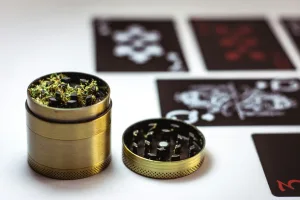
Grind consistency matters too. A medium-fine, even grind lets hot air or heat move through the bud properly. Too coarse and you lose efficiency; too fine and you might end up pulling bits through the screen. A decent grinder is one of those small things that makes a noticeable difference. You can find one in our accessories section if you don’t already have one you love.
Tip: Stir your bowl halfway through a conduction session. It evens out the heat distribution and you’ll get more out of each load.
Frequently asked questions
Is convection always better than conduction?
Not necessarily. Convection tends to give more even flavour and smoother draws, but conduction is faster and usually more affordable. Which one is “better” really depends on how you like to session, there’s no universal answer.
Can I use a conduction vape for a long group session?
You can, but it’s not ideal. Because conduction vapes keep applying heat even when you’re not drawing, the bud can over-cook if the session drags. For longer, more social sessions, a convection or hybrid vape tends to hold up better.
Do I need to grind my weed differently for each type?
A medium-fine, even grind works well for both. The main thing is consistency, uneven chunks mean uneven heating regardless of which type you’re using.
Are hybrid vaporizers worth it?
For a lot of people, yes. Hybrids give you a faster heat-up time from the conduction element and smoother, more even draws from the convection element. They sit in a sweet spot between the two styles and many people find them the most versatile option.
Does the type of vaporizer affect how strong the session feels?
The heating method affects how evenly your bud is used and how the session paces out, which can change how the experience feels. Convection sessions tend to feel more gradual; conduction can hit a bit quicker depending on the temperature setting. How strong it feels is also tied to the flower itself and the temperature you’re running.
What temperature should I vape at?
Most people find that lower temperatures (roughly in the range your device labels as low or medium) give you more flavour in the early draws, while higher temperatures produce more visible vapour and a fuller session. Start lower, see how it feels, and work up from there based on what you’re after.